Understanding the “rules of the road” is critically important for any boater, and a big part of that revolves around quick recognition of aids to navigation (ATONs). But some signs are less common than others. Here’s a quick rundown of some that you might not have seen before.

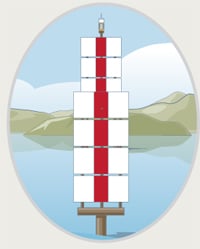
What It’s Called: Preferred Channel Marker
Where You’ll Find It: Where a channel splits in two or converges with another channel, or over an obstruction.
What It Tells You: The top color band indicates the preferred channel. For instance, returning from seaward, a green top band indicates preferred channel to starboard. Preferred usually means the channel with more consistent depths but sometimes means just the more direct route.
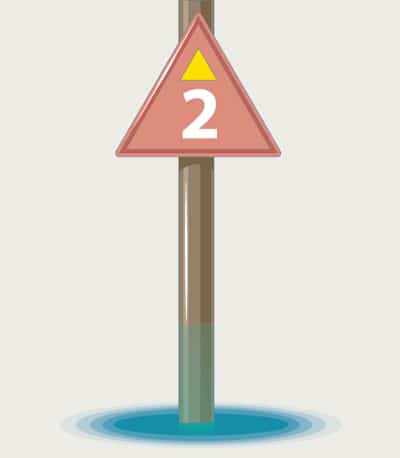
What It’s Called: Dual-Purpose Aid
Where You’ll Find It: In the Intracoastal Waterway between Texas and New Jersey at junctions with other bodies of water.
What It Tells You: To stay in the ICW, disregard the color of the marker or buoy and pay heed to the yellow symbols emblazoned on the buoy. A triangle indicates passing to starboard when heading south and west; a square indicates passing to port. The opposite is true when heading north and east.
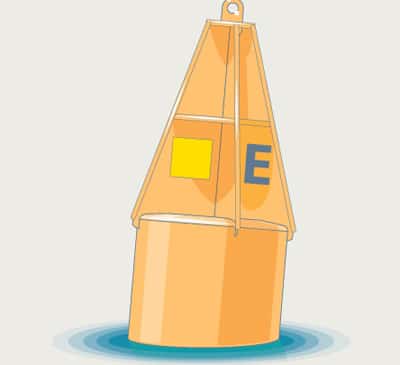
What It’s Called: Special-Purpose Mark
Where You’ll Find It: Over or near temporary obstructions or hazards, such as fishing nets, dredging limits, anchorages, etc.
What It Tells You: Proceed and approach with caution. While an examination of the overall scene will often reveal the specific reason for the mark’s placement, checking the chart or a cruising guide or hailing a local boat on the VHF to confirm the circumstances is good procedure.
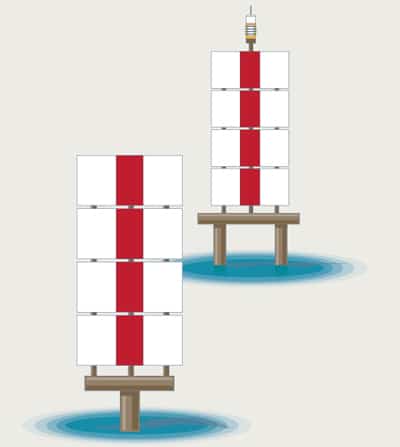
What It’s Called: Range Markers
Where You’ll Find It: In busy commercial harbors.
What It Tells You: By positioning his boat so that the pattern or lights of the two range markers line up, the skipper is assured of being in the center of the channel.